
Bali carries a heavier load than its size suggests. A small island receives millions of visitors a year, and the strain shows in the places you would expect: water tables under pressure in the dry season, traffic thickening on roads never built for it, and plastic washing up on beaches during the wet-season currents. None of this makes the island less worth visiting. It does mean that how you visit is a fair question to ask yourself.
Start with water, because it is the least visible problem and one of the largest. Bottled water is the default across the island, and the empties are precisely the waste that ends up in the rivers. The fix is unglamorous and completely effective: bring a decent refillable bottle and use the refill stations that villas, cafés and dive shops now offer almost everywhere. Refuse the small sealed bottles left in rooms, ask for the jug instead, and skip the straw without making a performance of it.
Then look at where you stay. Accommodation is the single biggest lever most travellers have, and the questions worth asking are practical rather than ideological. Does the place treat its own wastewater or run it into a soakaway near the rice fields? Is the water supply a borehole or a tanker? Do they have solar on the roof, refill stations, and staff hired from the surrounding villages rather than bussed in? Small operators are usually happy to answer, and the ones who cannot are telling you something.
Get about more thoughtfully. Bali's traffic is genuinely bad in the south, and a private car for every short hop makes it worse for everyone including you. Walking the last stretch, hiring a bicycle in the quieter areas, sharing transfers, or basing yourself somewhere you can reach things on foot will save you time as often as it saves emissions. If you are moving between regions, going less often and staying longer beats hopping every second night.
Eat where the money stays. Warungs, village markets and family-run restaurants keep more of what you spend in the local economy and generally run on shorter supply chains than the imported-everything places. It is also, straightforwardly, better food. Ordering what is in season and local rather than an out-of-place imported steak is one of the easier good decisions available.
Be careful around wildlife and reefs. Reef-safe sunscreen, no touching or standing on coral, no feeding monkeys, and a wide berth around any attraction that involves handling or riding animals. If you dive or snorkel, go with an operator who briefs properly on buoyancy and contact — a single careless fin can undo decades of coral growth, and good operators know it.
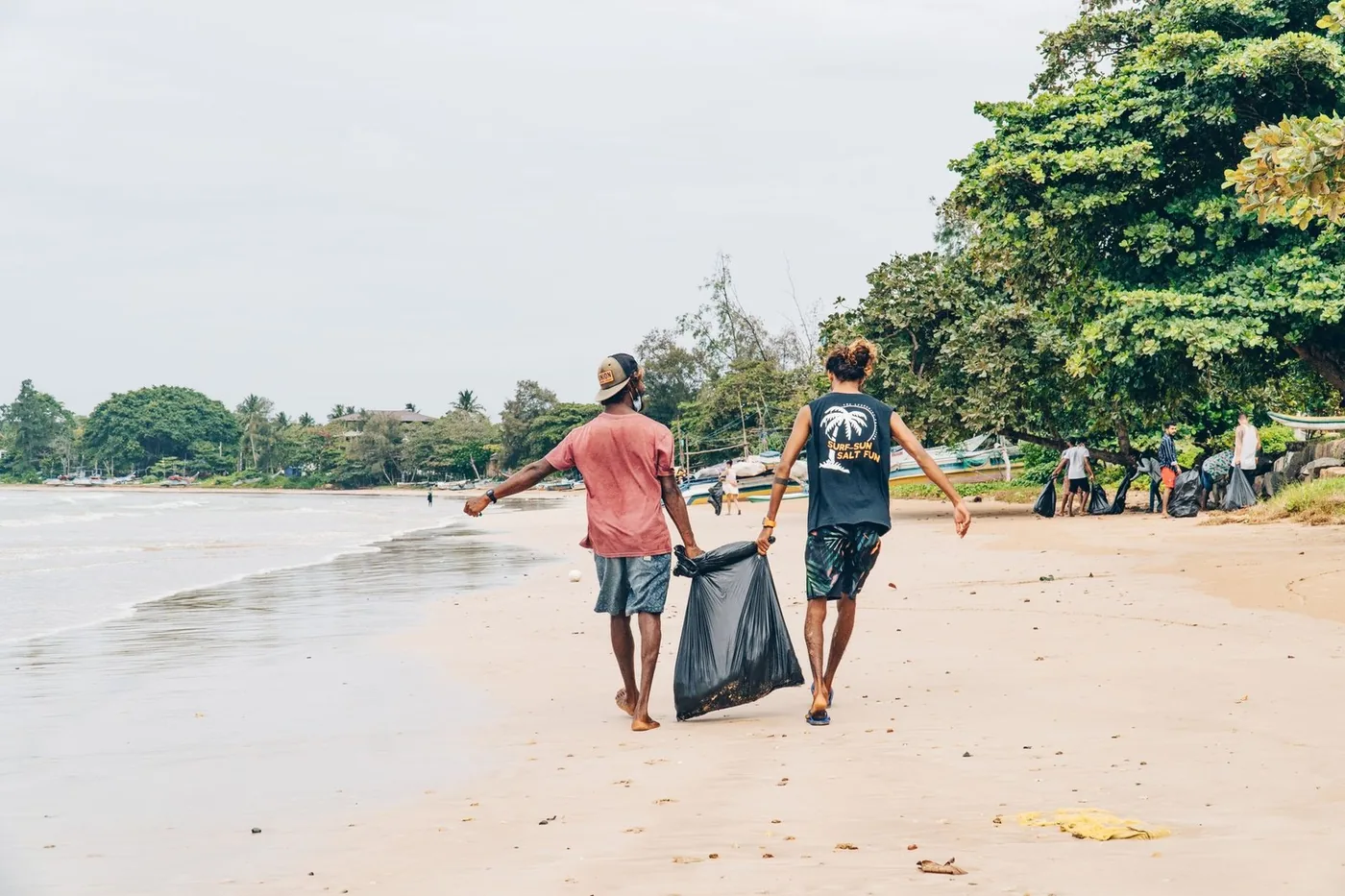
Take the local effort seriously. Bali has a substantial and long-running clean-up movement, much of it volunteer, and organisations like Trash Hero run regular beach and river clean-ups that visitors are welcome to join. An hour on a Sunday morning is a genuinely useful contribution and a better way to meet people than most of the alternatives.
The concept behind our own name is a simple one: what you take from a place, it echoes back. Visit the tropics carelessly and the tropics show it fairly quickly. Visit thoughtfully — refill the bottle, choose the place with the wastewater plant, walk the last kilometre, eat at the warung, leave the coral alone — and you get the better trip as well. That is not a sacrifice. It is just paying attention.