
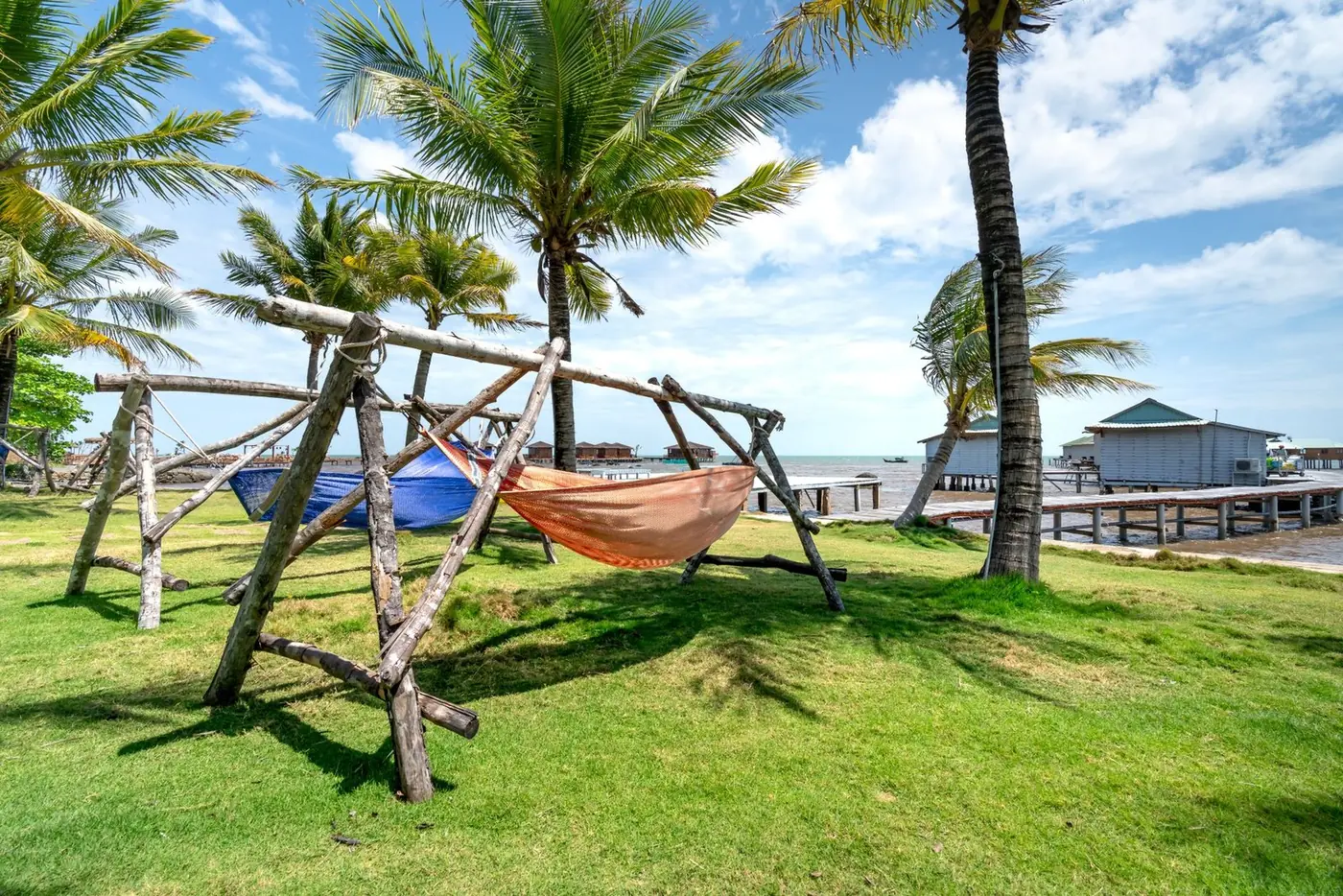
There is a particular kind of trip that looks impressive written down and feels thin while you are having it: four destinations, three internal flights, a different bed every second night, and a photograph from each place to prove you were there. It is a way of covering ground rather than seeing it, and most people who travel a lot eventually abandon it in favour of something slower and considerably more satisfying.
The arithmetic is unforgiving once you look at it. Each move costs you a check-out, a transfer, a wait, a check-in and an evening spent working out where to eat in an unfamiliar place. Two moves in a week can easily consume a day and a half of the seven, and they take the most rested version of you and use it up on logistics. Staying put converts that dead time straight back into holiday.
What you gain is a different quality of experience rather than merely more hours of it. Stay somewhere five nights and you start to get the shape of it: which café is good in the morning, which beach the wind favours today, what the market looks like on a Tuesday rather than a Sunday, which road is worth walking at dusk. That texture is invisible on a one-night stop, and it is most of what people actually remember years later.
Staying still is also the version that treats a place better. Fewer internal flights and transfers, obviously, but also money that lands in one local economy rather than being sprinkled thinly across four. A week in one village supports the warung, the driver, the guide and the shop in a way that a single night never does, and the relationship goes both ways — you get let in a little further as a familiar face.
It is easier on the household budget too. Weekly rates are almost always better than nightly ones, self-catering becomes practical, and the constant small bleed of transfers, tourist-menu dinners and re-buying the basics stops. Groups feel it most: one good base with a kitchen and space to spread out tends to cost less per person than the equivalent nights in separate rooms across three towns.
The obvious objection is that you will miss things, and you will. That is the trade. But most itineraries are drawn up from a list of sights rather than from any honest account of how a day feels, and the fourth temple or the third waterfall rarely earns the two hours in the car it costs. A good base with a couple of day trips out of it usually delivers more than a chain of one-night stands, and returns you home actually rested.
Slow travel also makes room for the accidental, which is where the good stories come from. Nothing unplanned can happen on a schedule with no slack in it. Give yourself unclaimed afternoons and you get invited to things, find the beach nobody mentioned, go back to the restaurant you liked, or spend a whole day doing very little because the weather turned lovely and it seemed like the right idea.
The habit tends to stick once tried. People who make the switch rarely go back to the four-stop fortnight, partly because they see more and partly because they arrive home feeling like they have been away. Pick one place, take it seriously, and let the trip come to you — it is the rare travel advice that costs nothing and improves almost every holiday it touches.